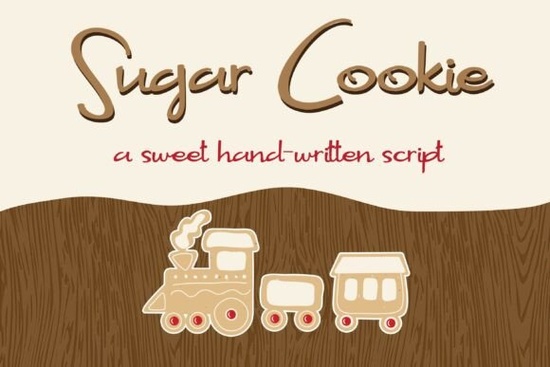
When creating designs for handmade goods or home décor, type choice often defines the mood. A digital typeface needs to feel personal, not rigid, to truly connect with customers. The Sugar Cookie Family Font fills this role perfectly for anyone needing that soft, organic handwriting feel. Its design balances stability with movement, making it suitable for everything from wedding invitations to custom t-shirt prints.
You do not always need to draw every letter by hand to achieve authenticity. Modern vector scripts provide the structure required for consistency while retaining the warmth of human creation. This collection was built to serve independent sellers and creative makers who want professional results without hours of manual editing. The relaxed posture of the characters ensures that text remains legible even when scaled down or used alongside complex imagery.
Where Can You Apply This Warmth in Your Projects?
This font works exceptionally well when you want to signal tradition or homemade quality. Imagine designing a label for a local jam jar or a sign for a farmer's market stand; the loose, free-flowing cursive lines suggest care and attention rather than mass production. It bridges the gap between old recipe books and modern merchandise labels effortlessly.
Sellers in the food industry often look for typography that triggers hunger and comfort simultaneously. Medium line weight prevents the text from disappearing on dark backgrounds while remaining light enough to pair with illustrations. Social media headers benefit significantly because the asymmetrical tracking rhythm guides the eye across the screen without feeling cramped. It creates a high-impact yet inviting presence for boutique brands aiming to stand out in crowded feeds.
How Does the Letter Spacing Impact Readability?
The asymmetrical tracking rhythm mentioned in the design notes is crucial for maintaining balance. Tight spacing can make text look clunky, especially in long phrases or quotes. Here, the wide gaps between certain letters allow the composition to breathe, giving the viewer space to absorb the message. This feature makes it superior to standard typewriter-style scripts when creating artistic layouts.
However, precision matters when preparing files for cutting machines like Cricut or Silhouette. Before sending your design to the plotters, always double-check kerning on individual letters if you adjust size drastically. While the default settings offer a polished look, custom adjustments may be needed for intricate cut-out shapes or small jewelry tags.
Are There Similar Styles Worth Considering?
While this set stands out for its warmth, other collections might suit different brand personalities. If your project leans toward playfulness or whimsy, exploring whimsical scripts like the ones found in playful pet collections could open new creative doors. These options maintain a handwritten charm but introduce more exaggerated curves and bouncy energy.
For those seeking something more formal yet still fluid, a comparison with elegant serifs might reveal a better fit for legal documents or luxury invitations. refined calligraphy options such as Majestica provide a stately appearance that commands authority while keeping the softness of a brush stroke.
What Distinguishes It From Other Cookie-Themed Designs?
Creatives often gravitate toward baking-related themes because they imply sweetness and care. Yet not all themed fonts deliver the same level of sophistication. heavier textures akin to cookie crusts tend to appear chunkier, which limits their versatility on delicate materials like fabric or clear vinyl. This particular family maintains enough elegance to pass as artisanal branding rather than casual crafting.
If your goal is to convey a quieter, more contemplative message, calmer writing styles compared to the Thinking Font might serve as a subtle alternative for journaling prompts or mindfulness apps. Context determines whether the "homestyle warmth" fits your specific niche.
Is It Compatible With Standard Design Software?
Most major vector programs recognize OpenType and TrueType formats immediately. Whether you are working in Adobe Illustrator, CorelDRAW, or Canva, loading the font should be straightforward. Once installed, check if your software supports ligatures. Features like these automatically connect letters where appropriate to simulate flowing ink, enhancing the overall readability of words.
- Verify File Types: Ensure you downloaded both OTF and TTF versions for cross-platform safety.
- Check Licensing: Confirm that commercial use covers Print-on-Demand sales if you plan to sell physical items.
- Test on Paper: Always print a sample sheet to ensure resolution holds up before running large batches.
- Backup Locally: Store the files in a secure folder separate from cloud drafts to prevent accidental deletion.
Making the right choice involves testing the font against your actual brand elements. Sometimes what looks perfect on a screen appears too thin when printed on heavy cardstock. Try scaling the text to your intended final size before committing to production. A font that feels inviting on Instagram might behave differently on a large-format banner.
Ultimately, the goal is to create work that resonates with people's emotions. Typography is a tool to convey that feeling instantly. By choosing a typeface that aligns with your values whether that is simplicity, nostalgia, or craftsmanship you build trust faster than with graphics alone.
Explore Design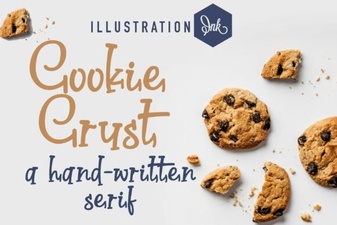 Cookie Crust Font Recipes & Family Design Ideas
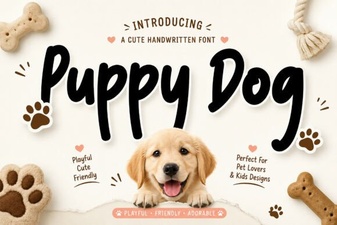 Puppy Dog Font Designs & Playful Project Ideas
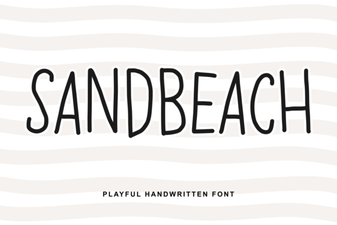 Sandbeach Font: Modern Design for Coastal Projects
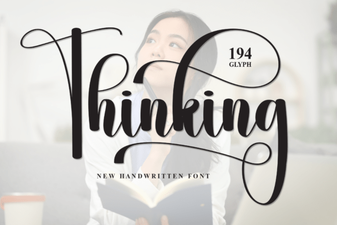 Thinking Fonts: Creative Typography Ideas for Designers
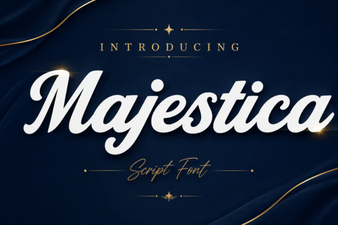 Majestica Font: Design Ideas & Creative Applications
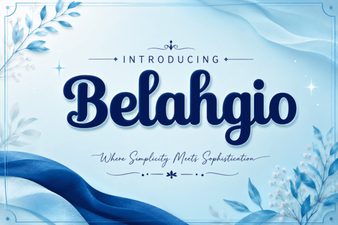 Belagio Font: Design Ideas & Creative Uses