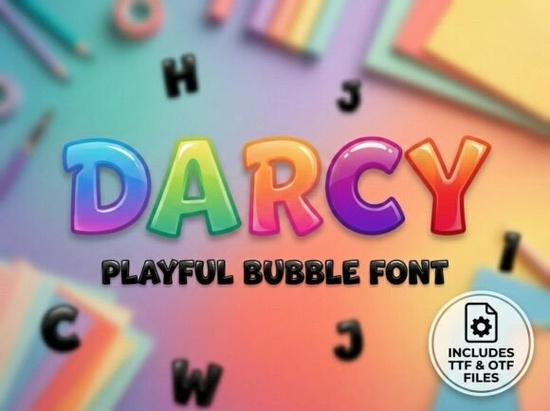
If you are looking to add a burst of energy to your next project, the Darcy Font offers a distinct personality that stands out from standard typography. It functions as a high-energy bubble font designed to capture a joyful and juvenile soul through its unique structure. These chunky, ultra-rounded letterforms feature rhythmic glossy reflections and an inflated weight that feels both nostalgic and current. Whether you are creating content for a blog or preparing physical goods for sale, this typeface provides the cheerful atmosphere many brands seek.
Is this font suitable for children’s products?
This typeface bridges the gap between retro cartoon aesthetics and modern candy-coated branding, making it an excellent choice for items targeting younger audiences. You might find it particularly useful when designing identities for independent toy stores or crafting boutique titles for children's books. Because the font possesses a friendly personality and bouncy flow, it instantly signals approachability.
Imagine creating a logo for a creative preschool where parents want to see playfulness. Using Darcy helps convey that the environment is safe and fun. It also works well for high-impact social media headers that need to grab attention quickly. The inflated structural weight ensures the text remains legible even when scaled down on merchandise like tote bags or stickers. While many fonts compete for attention, this specific style keeps the focus on the message rather than competing with complex details.
How does Darcy compare to other display styles?
Designers often juggle between multiple mood boards when planning a brand identity. If you enjoy the boldness of this bubble style but need variety, exploring related collections helps maintain consistency. For instance, if your project shifts toward a more structured look, you might explore sports-style lettering often used for teams. The contrast between rounded joy and aggressive blockiness allows for dynamic visual storytelling.
Sometimes, creativity requires mixing textures. When moving away from bright colors, you might consider vintage audio graphics that suggest nostalgia. These older-school vibes pair differently than the modern gloss found here, giving you more control over the era you represent. Additionally, for outdoor themes, wildlife adventure signs often utilize thick strokes to stand up against natural backgrounds. Conversely, if you need a softer approach for a wedding invitation or a delicate package label, switching to elegant script sets with soft curves changes the tone entirely.
Natural branding is another avenue to consider. For eco-friendly packaging, organic labels benefit from grounded shapes rather than the inflated weight of bubbly text. By understanding where these different categories fit, you can curate a library that serves various customer bases without confusing them.
Are there commercial restrictions on this download?
Many creators worry about licensing terms when they purchase a font. Before integrating this tool into a business model, it is wise to review the specific license agreement attached to your account. Most standard commercial licenses allow you to use the characters in printed materials, logos, and digital screens for profit-generating work. However, redistribution of the font file itself is typically prohibited.
Selling mockups or templates that include the font is a common grey area. To stay safe, most platforms advise converting the text to outlines or SVGs before selling the final image product. This removes the font file dependency while keeping the design intact. For POD sellers, this means uploading the vector version of your shirt design rather than the font file directly to the printer dashboard. Always verify the latest terms on the marketplace to protect yourself from potential infringement claims.
What technical specs matter for printing?
When setting up files for production, pay attention to kerning and spacing. Due to the rounded shape of the bubbles, tight spacing can cause the letters to touch visually, making the text look muddy. Slight expansion often yields a cleaner result, especially when cutting vinyl for car decals or window displays. Ensure your software supports OpenType features if you plan to use ligatures or special ornaments included in the pack.
Exporting at high resolution is critical because the "glossy" reflections rely on smooth gradients that pixelate easily when compressed. Aim for 300 DPI for print jobs and 72 DPI minimum for web use to balance quality with load times. Testing the design on actual substrates helps reveal how the white ink interacts with dark materials or vice versa.
Final Tips for Implementation
- Test Contrast: Ensure black text on yellow backgrounds reads clearly for accessibility.
- Kern Manually: Adjust space between the 'A' and 'V' pairs manually to avoid gaps.
- Check Licensing: Confirm if the license covers merchandising or strictly editorial use.
- Create Variants: Save versions with different stroke widths if available.
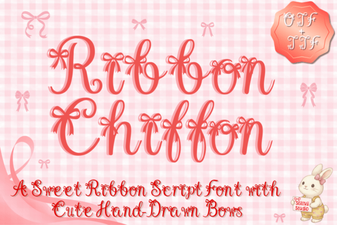 Ribbon Chiffon Font for Elegant Web & Brand Design
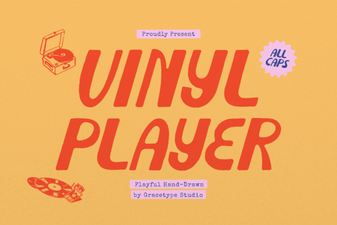 Font Ideas for Vinyl Player Diy Projects
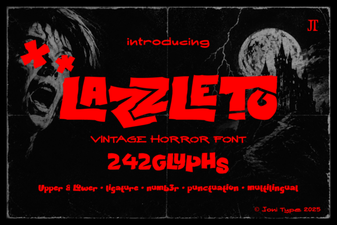 Explore Lazzleto Font: Creative Projects & Web Usability
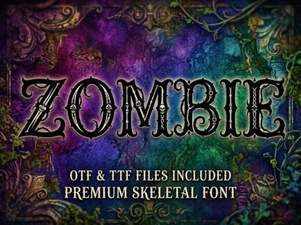 Zombie Font Design Ideas and Creative Uses
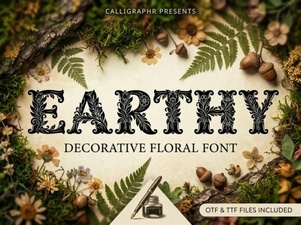 Earthy Fonts for Natural Web & Print Design
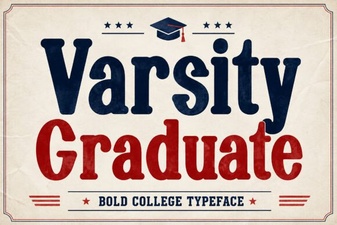 Varsity Graduate Font Design Guide & Ideas