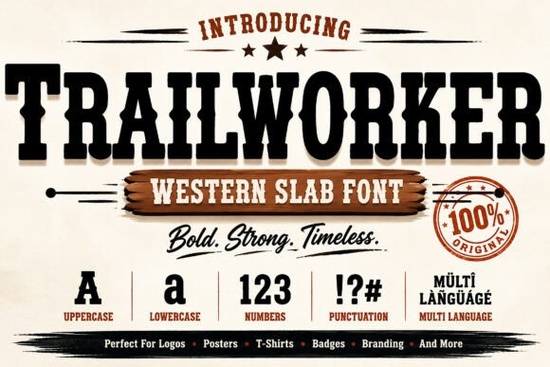
If you are working on a branding project that requires a sense of history and raw strength, the choice of typeface often dictates the success of the final image. Whether you are designing a label for a local distillery or creating graphics for a print-on-demand store, legibility paired with character is key. This is where the Trailworker Font fits perfectly into your workflow. It offers the sturdy backbone of traditional industrial lettering while maintaining enough personality to stand out on crowded shelves or social media feeds.
Why Choose a Rugged Industrial Style?
Typography communicates mood before anyone reads a single word. A thin, elegant script might suggest luxury, but a thick, blocky slab serif tells a story of hard work and durability. The Trailworker typeface draws inspiration from old railroad signs, workshop labels, and western advertisements. These designs were created to be seen from a distance and to withstand rough environments.
When you select a font with this specific aesthetic, you align your product with values of reliability and authenticity. It is particularly effective for projects involving outdoor gear, automotive brands, or lifestyle products geared toward men. The heavy strokes prevent ink bleed on t-shirts, ensuring crisp results even on lower-quality materials often found in mass production. Unlike thinner scripts that can vanish on a dark background, this weight maintains visibility across various mediums.
What Does This Font Family Include?
Before purchasing any digital asset, verifying the character set is essential for your editing software compatibility. This typeface is designed primarily for display purposes rather than body copy. It includes the complete uppercase alphabet to allow for bold headlines and attention-grabbing titles. Additionally, it covers standard numbers and essential punctuation marks, which are necessary for pricing on packaging or dates on event posters.
The files are structured to be easy to install on both Mac and Windows systems. You do not need advanced typographic skills to make it work correctly. Simply download the package, unzip the folder, and drag the files into your system fonts library. Once installed, it appears in Adobe Illustrator, Photoshop, Canva, or CorelDRAW alongside your other standard tools. If you are looking for alternatives or want to explore the history of this style further, browsing resources like slab serif fonts collections can provide helpful context on how different letters vary in weight and spacing.
Ideas for Practical Applications
Making money with font designs often relies on knowing where the demand lies. Print-on-demand sellers frequently look for niches where text is the hero of the product. Here are several areas where this style performs exceptionally well:
- T-Shirt Graphics: Bold lettering stands up against wrinkled fabric and wash cycles.
- Whiskey and Craft Beer Labels: The industrial look pairs naturally with rustic ingredients and wooden barrels.
- Logos and Badges: Strong shapes help create memorable brand icons for construction companies or repair shops.
- Book Covers: Thriller novels or historical non-fiction benefit from the gritty, aged appearance.
- Workshop Signage: Metal or wood signs displaying names or quotes require high contrast readability.
For creators focusing on merchandise, having a unique font helps distinguish your store from competitors selling generic clip art. When you visit the product page for this specific style category, you can see exactly how the letters interact. Sometimes seeing the kerning and letter spacing in person clarifies whether it meets your spacing requirements.
Tips for Using Bold Fonts Effectively
Even with a strong typeface, implementation matters. To ensure your designs look professional, pay attention to the space around your text. Crowding letters together can make the thick slabs feel claustrophobic and messy. Adding ample padding creates breathing room that mimics high-end editorial layouts.
You can also mix textures into your composition. Placing this font over distressed paper backgrounds or faded images enhances the vintage appeal. However, avoid using too many competing elements. Let the lettering do the heavy lifting by keeping illustrations secondary or monochromatic. Always preview your design at its actual output size. A header that looks good at 5 inches tall might become illegible if scaled down for a business card sticker.
Finally, consider the commercial license you are buying. Most bundles on platforms like Creative Fabrica come with broad terms that cover personal and commercial projects, including resale items. Double-check the specific terms regarding unlimited end-products versus limited print runs. Being clear on permissions prevents legal headaches later.
Whether you are updating a brand identity or preparing holiday gifts, getting the texture right saves hours of manual editing. To help you get started immediately after downloading, use this quick planning list:
- Install the font file on your primary computer first.
- Create a text box and test your most common phrases.
- Check alignment settings to ensure the baseline sits flat.
- Export your artwork at 300 DPI for print quality.
- Verify that all numbers and symbols render correctly.
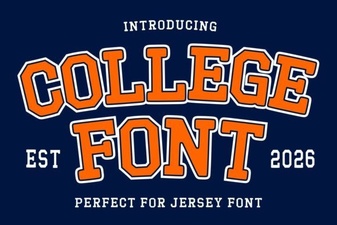 Choosing a College Font for Your Design Projects
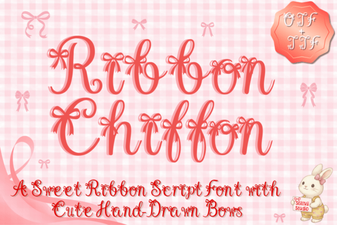 Ribbon Chiffon Font for Elegant Web & Brand Design
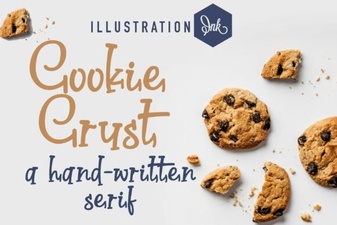 Cookie Crust Font Recipes & Family Design Ideas
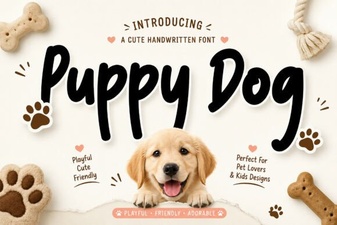 Puppy Dog Font Designs & Playful Project Ideas
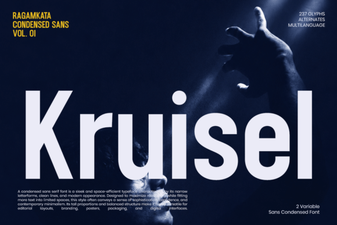 The Kruisel Font: Creative Playground for Designers
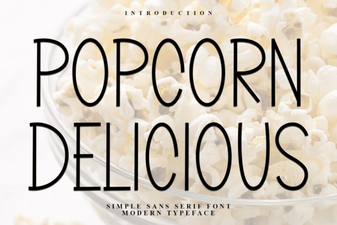 Popcorn Delicious Font Design & Download Guide