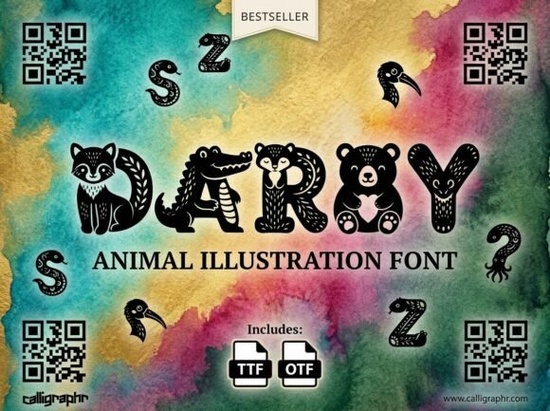
Finding the right typeface for a creative project can sometimes feel like searching for a missing puzzle piece. You need something that conveys a specific mood without overpowering the visuals. That is where the Darby Font comes in for crafters and designers looking for genuine warmth and heritage. It transforms standard block letters into a visual story filled with craftsmanship.
This typeface steps away from modern minimalism to embrace rich storytelling elements rooted in traditional folk art. Whether you are designing a label for organic honey or creating illustrations for a children’s book, the deep black contours offer a gallery-like presentation. Every letter acts as its own canvas, packed with intricate negative-space cutouts that catch the eye.
Why choose this hand-carved style?
One of the distinct features is the combination of chunky shapes with delicate details. Unlike standard serif fonts that rely on simple strokes, this design integrates blooming floral rosettes, symmetry-perfect botanical leaves, and miniature animal totons. If you are already familiar with nature-inspired typefaces, you might appreciate how closely this aligns with the organic feel found in leaf-based letterforms. However, the addition of woodland creatures gives it a playful edge suitable for cozy winter festivals or boutique food packaging.
The texture is another reason to consider this asset. Set against colorful tapestry textures or clean textured paper fields, it brings a handmade luxury feel that digital fonts often struggle to replicate. It is defined by its friendly appearance, making complex designs accessible for non-profits or small businesses that want charm rather than corporate stiffness.
Where does it fit in your workflow?
Using this as an extraordinary creative shortcut saves hours of manual illustration work. You can apply it to children’s fairytale book titles without needing custom drawing software. For artisan kitchen and cottagecore branding, the visual weight holds up well on merchandise like mugs, tote bags, or recipe cards. If you are working on promotional material for local events, the historic charm adds credibility to your message.
Sometimes, a project requires a mix of aesthetics. While this style leans heavily into folk traditions, you can layer it with other assets to create contrast. Imagine combining these woodblock carvings with more linear elements for a dynamic poster layout. When planning such compositions, browsing general ornamental sets might provide complementary textures that balance the heavy contours of the main title.
Comparing with other thematic options
Not every project calls for the same level of playfulness or softness. Some brands require a moodier atmosphere to convey authority or mystery. In those cases, switching to darker palettes makes sense. You might explore styles like nocturnal themes if your brand identity relies on evening light or shadow play instead of sunny folklore.
Conversely, if your goal is sharp, high-contrast visibility for something like a tattoo design or streetwear graphic, the delicate cutouts might be too subtle. In that scenario, looking at bolder options such as tattoo-style lines would serve better. The goal is to match the letter shape to the final output medium, ensuring readability remains high.
Preparing for print
Before committing to a large production run, download the files to test them locally. Check how the thin connections in the floral cutouts hold up at smaller sizes. Digital proofing helps avoid ink bleed on materials like fabric or matte paper. You can verify availability and licensing details directly in the specific design file listing to ensure commercial rights match your scope.
A quick pre-launch checklist
- Verify Licensing: Ensure your purchase covers commercial print-on-demand usage.
- Test File Integrity: Open the font in your design software to check all glyphs load correctly.
- Review Spacing: Adjust kerning manually if needed to prevent letters from overlapping awkwardly.
- Color Contrast: Pair with backgrounds that allow the white space in the letters to remain visible.
Ultimately, selecting a font is about setting the tone for your audience. With its Scandinavian and Slavic craft influences, this asset bridges history and modern creativity effectively.
Try It Free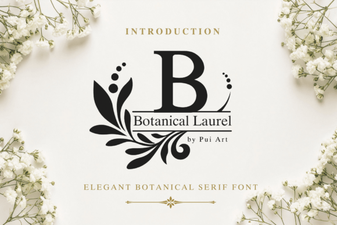 Botanical Laurel Font for Creative Nature Projects
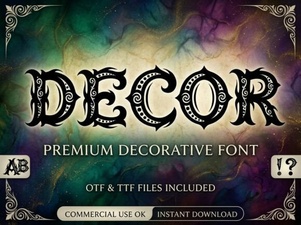 Creative Decor Font Styles for Your Projects
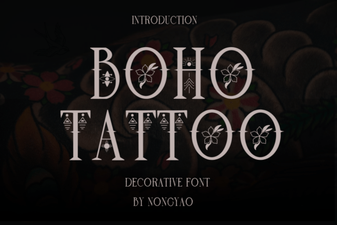 Freehand Boho Fonts for Tattoo Artists
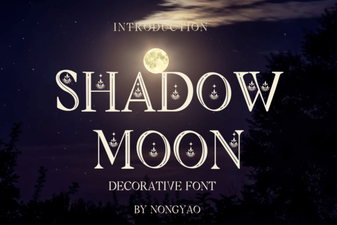 Shadow Moon Font: Creative Design Ideas & Downloads
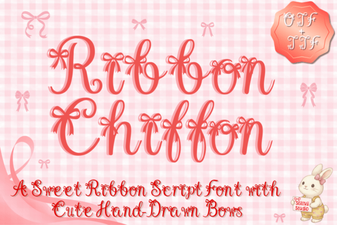 Ribbon Chiffon Font for Elegant Web & Brand Design
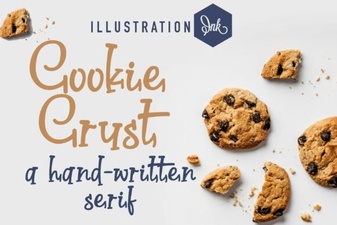 Cookie Crust Font Recipes & Family Design Ideas